
Sustainability in Agricultural Machinery
INDUSTRIES Agricultural Machinery
Sustainability in Agricultural Machinery
Driving the future of farming through sustainable and efficient agricultural technology.. Know where you stand in your industry — and steer your sustainability for market success.
- Material Fields and Topics
- ESRS / VSME aligned
- EU NACE mapped
INDUSTRY BENCHMARK PREVIEW
Agricultural Machinery
Agricultural Machinery
Your company
industry peers
Climate protection
Most material
Biodiversity
High relevance
Pollution
High relevance
Suppliers
Relevant
Free to start • Full benchmark from €89 net / month
Get Started
Create your profile in Agricultural Machinery
Profile your company, get your industry benchmark score, and participate in European sustainability ecosystems.
- Industry-specific ESRS/VSME profiling
- 6-level ESG score along 14 topics
- Benchmark vs. Top 10 industry peers
- DNP & ESA award preparation
Impacts, Risks and Opportunities
Sustainability in Agricultural Machinery
Agriculture depends on the climate, fertile arable and pasture land and natural water cycles. (Too) intensive soil use and animal husbandry, over-fertilization and soil erosion pose major challenges for farmers. Sustainable agricultural technology helps to reduce negative impacts on the environment, protect soils and regenerate natural resources.
“Do more good” instead of “Do less harm” is the guiding principle of technological development for modern agricultural equipment. This includes, for example, the use of precision farming technologies in field cultivation. Examples include GPS-controlled field robots in otherwise labor-intensive permaculture or automated systems for bio-based fertilization and irrigation. Intelligent harvesting machines detect the ripeness of crops and select them specifically.
But animal husbandry also benefits from intelligent, automated technology that can ensure and improve animal welfare. Not only in the fields, but also in the forest, modern agricultural machinery with energy-saving engines, electric drives and more efficient transmission systems ensure fewer emissions and more climate protection. In addition to the technological possibilities of its products, it is also the operational processes and the sustainability of the often industrial or serial production with which the industry makes its transformative contribution.
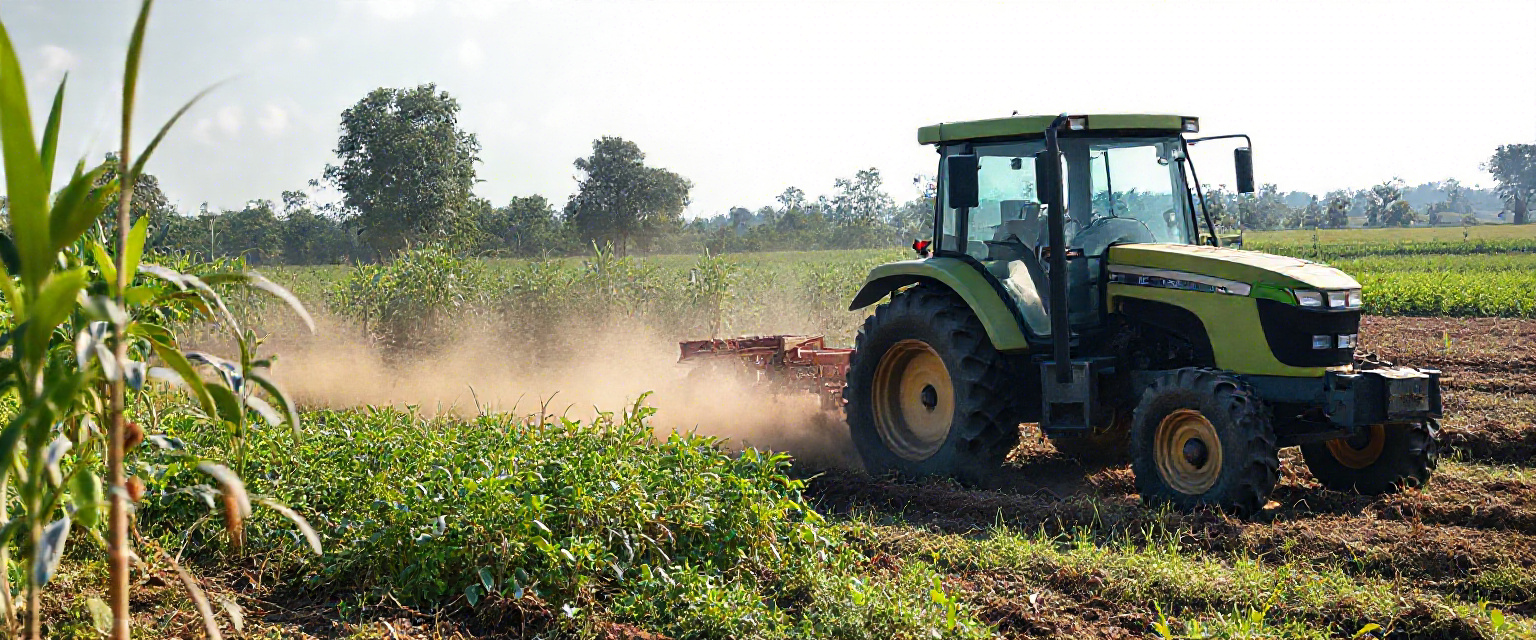
The industry includes, for example, the manufacture of agricultural and forestry machines, tractors and harvesters.
Get Started
Fields and Topics Materiality
These are the sustainability fields and topics that matter most for companies in Agricultural Machinery — based on score4more’s industry double materiality analysis model aligned with EU CSRD/ESRS standards.
Climate
Climate protection
ESRS E1
Nature
Biodiversity
ESRS E4
Nature
Pollution
ESRS E2
Work
Suppliers
ESRS S2
PROFILE PREVIEW
Get the free profile PDF preview for your industry
Request the profile preview for your industry and we will send it by email.
EU CLASSIFICATION
Industry NACE Classes
Unsure if this industry is the right one for your company? Compare your business activities with the EU’s NACE classification below.
Included NACE classes in the industry
C 28.3 Manufacture of agricultural and forestry machinery
C 28.30 Manufacture of agricultural and forestry machinery
C 28.30 Manufacture of agricultural and forestry machinery
START STEERING
Benchmark your sustainability in Agricultural Machinery
Free profile. Industry-specific score vs. top 10 industry peers. Steer performance and win in the market.